
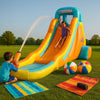
How to Get Water Out of an Inflatable Water Slide Safely & Easily
, by Alex Morgan, 12 min reading time
, by Alex Morgan, 12 min reading time
There’s a familiar scene after any water-filled afternoon: the sun’s gone down, shouts and splashes have faded, but your backyard inflatable water slide is still holding onto puddles and damp corners. If you’ve ever struggled with the soggy aftermath, you’re not alone. Learning how to get water out of an inflatable water slide isn’t just about drying things up. It’s about preserving your slide from mold and mildew, keeping maintenance easy, and making sure every play day ends on a healthy, safe note.
In this friendly, practical guide, you’ll learn why water lingers in inflatable slides, the safest and most effective ways to remove it, and how to dry your slide quickly (without wrestling PVC or cursing the summer sun). We’ll delve into pro drainage tips, eco-friendly habits, and a few clever tricks straight from the pros. Whether you’re a backyard fun-seeker or managing a larger installation, get ready to make cleaning up feel almost as rewarding as the fun itself.

Getting water out of an inflatable water slide is a little like coaxing the last drops out of a stubborn juice box. Even after the main flow releases, little puddles love to linger in seams, corners, and wherever gravity can’t quite reach. But why is it so tricky?
The answer lies in how these slides are built and what they’re made of. Unlike rigid pool slides, inflatable slides use flexible materials like PVC or vinyl. This lets them bounce and collapse for easy setup and storage, but also creates “dead zones” and low spots where water pools stubbornly as the air escapes.
Drainage Engineering Basics:
Manufacturers place drain valves at what they expect will be the lowest part of the slide once inflated and in use. Gravity does most of the heavy lifting here—as soon as you unplug the valve, water rushes out, guided by the weight of what's left in the structure. But the slide’s flexibility means it sinks and shifts during deflation, often trapping water in high sidewalls, slide lanes, or under step platforms.
Air Pressure Complications:
During deflation, the inner air supports collapse, sometimes pinching hoses or folding at the seams. This creates “pockets” that trap water away from the main drain path. Unless released or repositioned, these spots can stay wet for days, risking mold and bacteria.
Material Matters:
Higher-grade commercial vinyl or reinforced PVC dries faster and holds up better to repeated soaking and drying cycles. Entry-level slides usually need gentler handling and a bit more time to fully dry, as their lighter materials can retain moisture in tiny folds or fabric grain.
In short: physics, materials, and clever engineering all play a role in how much water you’ll be battling after every backyard bash—making your post-splash strategy all the more important.
Learning how to get water out of an inflatable water slide is equal parts science and a little family choreography. Here’s a stepwise approach:
The simplest (and often most effective) step is letting gravity work.
Pro insight: Commercial setups sometimes deploy submersible pumps that can remove water at rates up to 2,900 gallons per hour—overkill for a backyard setup but a good analogy. At home, an extra minute or two gently “walking” the slide or carefully lifting the lower end can help stubborn puddles find their way out.
Even after gravity does its work, some water will cling to fabric or hide in folds.
A vacuum not only saves your back but also minimizes the chance for moisture to grow into a mold colony.
Begin slow deflation, keeping an eye out for pockets where the air loss may trap water.
Even with all the tech in the world, the sun and a breeze are your best drying friends.
Once fully dry, fold or roll the slide gently—avoid sharp creases—to prevent weakening the material. Store in a breathable bag, ideally in a cool, dry spot.
Summary Table for Quick Reference:
| Step | Tool/Method | Tips |
|---|---|---|
| Gravity Drain | Drain valve, tilting | Get help for big slides |
| Manual Extraction | Towels, Wet-dry vac | Focus on seams/pockets |
| Deflation Patrol | Air valves, repositioning | Watch for trapped water |
| Sun & Air Dry | Outdoor sunlight | Flip for underside drying |
| Proper Storage | Dry storage bag | Store only when fully dry |

Removing water from an inflatable water slide isn’t just about being dry, it’s about doing right by your backyard, your family’s health, and your local ecosystem.
Did you use pool chemicals or fill from a treated source? Draining chlorinated water straight into a storm drain or your flowerbeds can spell trouble. Chlorine, even in low concentrations, is harmful to plants and aquatic life.
The nastier side of a wet slide isn’t just slippery footing—it’s the hidden risk of bacteria, mold, or fungus. Bacteria (such as Pseudomonas or Legionella) thrive in warm, stagnant water and can find a home in leftover puddles. Mold can show up as quickly as two days after storage if moisture is left behind.
If you’re applying any cleaning chemicals, wear gloves and eye protection, even for “natural” solutions. And, electrical safety first—when using a wet-dry vac, always ensure it’s rated for wet use, with cords and plugs kept far from standing water.
Modern inflatable water slides have come a long way from the sticky, slow-drying vinyls of the past. If fast drying and low-maintenance matter to you, here’s what’s happening behind the scenes:
Many top-tier slide manufacturers use vinyl-coated polyester mesh or extra-thick commercial-grade PVC with special surface coatings. These materials are:
Big slides—like those found at parties or water parks—often use submersible pumps with automatic shut-off and debris filters, running powerfully enough to handle thousands of gallons. If you’re curious (or ambitious), heavy-duty wet vacuums designed for restoration work can offer 20+ gallon capacity and are built for serious water wrangling.
If you’re considering an upgrade or browsing other backyard fun options, exploring the best inflatable water slides can help you find models that are easier to maintain and quicker to dry.

Q: What’s the fastest way to get water out of an inflatable water slide?
A: Open all drain valves, tilt the slide for gravity drainage, and use a wet-dry vacuum for stubborn puddles. For the quickest drying, combine sun exposure with airflow—flip or rotate the slide to dry all sides.
Q: Can I just let the water evaporate naturally?
A: While small amounts may air-dry eventually, lingering wet areas can lead to mold, mildew, and bacteria. Always remove as much water as possible first, then let nature finish the job.
Q: Is it safe to dump slide water onto the lawn or garden?
A: Only if the water is untreated or has been properly dechlorinated (chlorine levels below 0.1mg/L). Chemical-treated water can harm plants and pets, so test or treat first, and always drain slowly to prevent flooding.
Q: How do I prevent mold and mildew on my inflatable water slide?
A: Ensure the slide is 100% dry before folding and storing. After draining, towel off seams, air dry in the sun, and use fans if needed. Regularly clean with a gentle, bleach-free solution if you spot any growth.
Q: Will using a household vacuum damage my slide?
A: If it’s a wet-dry type vacuum (not just for dry debris), it’s safe. Always use a soft-tipped attachment and avoid dragging hard parts over the material to protect seams and coatings.
Figuring out how to get water out of an inflatable water slide is about more than dodging puddles—it's crucial for keeping your inflatable safe, clean, and ready for the next family adventure. By pairing gravity drainage with manual drying, using eco-friendly water disposal methods, and leaning into high-tech materials or helpful gadgets, you can turn post-play cleanup into a simple, reliable routine. Remember: dry now, play more later—and say goodbye to musty odors, risky microbes, or surprise mildew spots down the line.
So the next time the fun ends, you’ll know: a few thoughtful steps will have your slide fresh, dry, and ready for every sunny day.
If you’re looking to expand your backyard water fun, explore our inflatable pools collection for more options and ideas.
Alex Morgan is a consumer home-lifestyle writer and weekend backyard experimenter who’s helped dozens of families evaluate outdoor leisure purchases. Alex combines research-backed analysis with practical setup experience to help readers choose gear that fits both budgets and backyards.


