
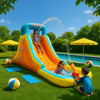
How to Dry an Inflatable Water Slide: A Step-by-Step Guide
, by Alex Morgan, 10 min reading time
, by Alex Morgan, 10 min reading time
Imagine this: you’ve just wrapped up the perfect backyard bash. The last splash is made, the kids are grinning (and maybe a little waterlogged), and the inflatable water slide—the centerpiece of the fun—stands gleaming in the sun. But before you can pack it away, there’s a crucial question: how do you dry it so it’s ready for the next big day?
The answer isn’t as simple as leaving it out and hoping for the best. Improper drying leads to mold, mildew, nasty smells, and even damage that could cut your slide’s lifespan nearly in half. In fact, industry studies show that 65% of rental companies face expensive repairs due to poor drying, and up to 78% of commercial slides harbor hidden moisture after storage.
But don’t worry. This guide will walk you through exactly how to dry an inflatable water slide step by step—for both residential fun-seekers and commercial operators. You’ll discover how material, weather, and the latest tech influence drying (spoiler: it’s more science than you think) and get proven methods to keep your slide safe, strong, and spotless for seasons of play.
Let’s start with the why—because drying isn’t just about “not being soggy.”
Moisture is a sneak thief: left behind, it creates the perfect hideout for mold and mildew. Industry research shows this can halve equipment lifespan and is linked to a whopping 65% of expensive repairs for businesses that rent slides. And it’s about more than dollars: health professionals point out that mold on damp surfaces can trigger coughs, asthma, and allergic reactions—especially in kids, whose lungs are still growing and more susceptible to airborne risks.
Even if you only use your slide once in a while, missing “hidden” damp spots in seams or under pool liners lets unwanted guests (think mold and funky smells) move in. For commercial operators, this can mean failed safety inspections, insurance headaches, and (worst of all) unhappy customers.
The takeaway: A dry slide isn’t a suggestion—it’s the golden rule for safety, longevity, and uninterrupted play.
Not all slides are built—well, inflated—the same. The right drying approach depends on what yours is made from.
PVC Vinyl Slides (Commercial-Grade & Most Home Use)
PVC is like the superhero of slide fabric: tough, waterproof, and made to resist splashes. But there’s a catch—while PVC doesn’t soak up water like a sponge, H2O loves to linger in seams, folds, and hidden corners. The problem? Those spots can become mold’s favorite hangouts unless you actively remove moisture.
Nylon Slides (Some Residential Models)
Nylon might be lighter and breezier, but it’s sneakily thirsty: it can absorb 2%–4% of its weight in water under everyday humidity, and up to 10% in really damp weather. This means nylon inflatables need longer air drying, as trapped moisture can cause the material to swell, stretch, or—if ignored—lose its bounce.
So what does this mean for drying?

Here’s a clear, foolproof formula for how to dry an inflatable water slide—whether your kingdom is a backyard or a rental lot.
Before deflation, empty out any pools or puddles on the slide.
Residual dirt and even things like sunscreen or pool chemicals trap water and encourage mold.
Time for some elbow grease!
Let the air do the heavy lifting, but help it along:
Before packing up:
Fold the slide gently (don’t over-compress), sprinkle talcum powder between folds if recommended (prevents stickiness), and store in a breathable storage bag or bin away from sunlight, moisture, and cold floors.

Drying a water slide isn’t just about what you do—it’s about when and where you do it.
Temperature
The “Goldilocks” zone: 70–85°F (21–29°C). Warm enough for rapid evaporation, but not so hot it warps or weakens the vinyl.
Below 40°F (4°C), don’t even try to dry—vinyl can become brittle and crack.
Humidity
Aim for below 50% relative humidity. High humidity slows drying to a crawl (and increases risk of reabsorption/mildew).
If you’re stuck in “swampy summer” weather, run a dehumidifier or set up extra fans.
Airflow
Stagnant air is the enemy—ventilate! Open both ends of the slide for a cross-breeze, or use multiple fans to target stubborn areas.
Shade vs. Sun
Indirect sunlight or open shade is safest. Full sun speeds up drying—but over time degrades the fabric, causing fading and cracking.
What NOT to Do
For commercial operators and detail-oriented homeowners, the world of inflatable maintenance is getting smarter.
If you're looking to add some excitement to your backyard, consider exploring different inflatable water slides that offer innovative features and easy maintenance.

A: Under optimal conditions (warm temps, low humidity, good airflow), a residential slide can dry in 6–8 hours. Larger commercial slides or those made of nylon may need up to 24 hours—especially in humid weather. Always go by touch and smell, not just the clock.
A: It’s not ideal, since night air often brings dew or higher humidity, reintroducing moisture. Aim to dry during the day and finish before dusk.
A: Brief sun exposure can help with drying, but extended direct sunlight damages vinyl or nylon over time. Shade with airflow is a safer long-term strategy.
A: Likely, moisture was trapped during storage. Fully dry the slide as outlined above, then clean with mild soap and water. Use airflow and, if possible, mild anti-microbial spray before drying and storing again.
A: Not always—towels and a standard blower are often enough for homeowners. For frequent/commercial use, an investment in high-power fans, Quick Drain zippers, or dehumidifiers pays off in speed and thoroughness.
Drying your inflatable water slide isn’t just a “bonus step”—it’s the foundation for safe, joyful play and long equipment life. Thorough drying protects against hidden mold, musty smells, and material damage that can turn a magical backyard day into a regretful, soggy mess. By knowing your slide’s material, using proven techniques, and staying mindful of the weather, you’re setting yourself (and your future parties) up for success. Whether for family giggles or impressive business reputation, learning how to dry an inflatable water slide transforms ordinary maintenance into everyday magic—preserving fun now and for summers to come.


